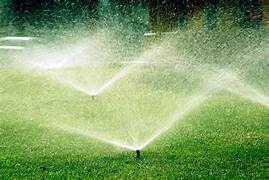
Lawn With Grub Control vs. Lawn Without Grub Control During the Dry Season

Why Grub Control Matters More During Dry Weather
A healthy green lawn can quickly become patchy, brown, and weak during the dry season. While many homeowners assume the issue is simply lack of water, the real problem may be happening underneath the soil. Lawn grubs feed on grass roots, which makes it harder for your lawn to absorb water and nutrients. During hot, dry weather, this damage becomes even more noticeable.
For homeowners in North Vancouver, West Vancouver, and surrounding areas, grub control can make a major difference in how well a lawn handles summer stress. A lawn with proper grub control is more resilient, recovers better, and stays healthier through dry conditions. A lawn without grub control may look fine in spring, but once the weather turns hot and dry, hidden root damage can quickly show up as brown patches, thinning turf, and weak grass.
What Are Lawn Grubs?
Lawn grubs are the larvae of beetles, including chafer beetles and other turf-damaging beetles. They live beneath the surface of the lawn and feed on grass roots. Because they are underground, they can cause significant damage before homeowners notice anything is wrong.
Common signs of lawn grubs include:
- Brown or yellow patches that do not improve with watering
- Grass that feels loose, spongy, or easy to pull up
- Increased bird, raccoon, or skunk activity on the lawn
- Thinning turf during late summer or early fall
- Areas of lawn that seem to dry out faster than the rest
During the dry season, grub damage is often mistaken for drought damage. However, there is an important difference: drought-stressed grass may recover with proper watering, while grub-damaged grass often does not recover because the roots have been eaten.
Lawn Without Grub Control During the Dry Season
A lawn without grub control is more vulnerable when hot, dry weather arrives. Even if the lawn looks healthy earlier in the year, grubs may already be feeding below the surface.
When the dry season begins, the lawn is already under stress from heat, limited rainfall, and reduced soil moisture. If grubs are also feeding on the roots, the grass has a much harder time staying healthy.
What Happens to an Untreated Lawn?
Without grub control, the lawn may begin to show signs of decline such as brown patches, thinning areas, and weak turf. Because the roots are damaged, the grass cannot absorb water properly. This means even regular watering may not bring the lawn back.
The lawn may also become easier for animals to dig up. Birds, raccoons, crows, and skunks often search for grubs as a food source. If your lawn has a grub problem, wildlife damage may become just as noticeable as the grub damage itself.
Common Problems in Lawns Without Grub Control
A lawn without grub control may experience:
- Faster browning during dry weather
- Poor recovery after watering
- Weak or shallow root growth
- More visible dead patches
- Greater risk of wildlife digging
- More expensive lawn repair later
- Need for reseeding or top dressing in fall
Once grub damage becomes severe, the lawn may require more than basic maintenance. In many cases, damaged areas need to be repaired with top dressing, overseeding, or lawn renovation.
Lawn With Grub Control During the Dry Season
A lawn with proper grub control has a better chance of staying healthy through dry weather. Grub control helps protect the root system, which is essential for water absorption, nutrient uptake, and overall lawn strength.
When the roots are protected, the lawn can handle seasonal stress more effectively. Even if the grass becomes slightly dry or dormant during hot weather, it has a better chance of recovering when cooler temperatures and moisture return.
What Happens to a Treated Lawn?
With grub control, the lawn is less likely to suffer from severe root damage. This means the grass remains more firmly attached to the soil and can make better use of available water.
A treated lawn may still experience some seasonal dryness, especially during watering restrictions or long dry periods, but it is usually more resilient than an untreated lawn. Instead of large dead patches, the lawn may simply go slightly dormant and recover more easily.
Benefits of Grub Control During Dry Season
A lawn with grub control may benefit from:
- Stronger root protection
- Better drought tolerance
- Improved recovery after dry weather
- Fewer brown patches caused by root damage
- Reduced wildlife digging
- Healthier turf density
- Lower risk of major lawn repair
- Better long-term lawn appearance
Grub control is not just about treating insects. It is about protecting the foundation of the lawn: the roots.
Side-by-Side Comparison: Lawn With vs. Without Grub Control
Lawn Without Grub Control
A lawn without grub control may look healthy at first, but hidden root damage can become obvious during dry weather. As the grass loses access to strong roots, it becomes weaker, browner, and more difficult to revive.
Typical results include:
- Brown patches that spread quickly
- Grass that does not respond well to watering
- Loose turf that lifts easily
- Animal digging from birds, raccoons, or skunks
- Higher chance of needing fall lawn repairs
Lawn With Grub Control
A lawn with grub control is better protected from underground root damage. It may still need proper watering and maintenance, but it has a stronger chance of staying healthy during seasonal stress.
Typical results include:
- Healthier root system
- Better ability to absorb water
- Less severe dry-season damage
- Stronger lawn recovery
- Reduced risk of costly repairs
Is It Drought Damage or Grub Damage?
One of the most common questions homeowners ask is whether their lawn is dry or damaged by grubs. The two problems can look very similar, especially during the summer.
Here are a few ways to tell the difference.
If it is drought stress, the grass may turn brown or dull, but it often stays firmly rooted. With proper watering, it may slowly improve.
If it is grub damage, the grass may pull up easily because the roots have been eaten. The affected areas may feel soft or spongy, and watering may not help much.
Another warning sign is wildlife activity. If birds, raccoons, crows, or skunks are digging at the lawn, they may be feeding on grubs beneath the surface.
Why Dry Season Makes Grub Damage Worse
Dry weather puts stress on any lawn. Less moisture means the grass must rely on a strong root system to survive. When grubs damage those roots, the lawn loses its ability to handle heat and drought.
This is why grub damage often becomes more noticeable during or after dry weather. The lawn is dealing with two problems at once: limited moisture and damaged roots.
A healthy lawn with deep, strong roots can usually tolerate dry periods better. A grub-damaged lawn cannot access water and nutrients properly, so it declines faster.
When Should Grub Control Be Applied?
The best timing for grub control depends on the grub life cycle and the type of treatment being used. In many cases, grub control is most effective when grubs are young and actively feeding near the surface.
For lawns in North Vancouver and West Vancouver, grub control is often considered during summer into early fall, depending on weather, lawn condition, and local pest activity.
The key is not to wait until the lawn is already severely damaged. Preventative and early-season care can help reduce the risk of major lawn loss.
Grub Control Works Best With Good Lawn Care
Grub control is most effective when combined with proper lawn maintenance. A strong lawn is better able to tolerate stress and recover from damage.
To support a healthy lawn during dry season, homeowners should consider:
- Proper watering according to local restrictions
- Mowing at the correct height
- Avoiding cutting the grass too short
- Fertilizing when appropriate
- Aerating compacted soil
- Overseeding thin areas
- Monitoring for early signs of grub activity
A thick, healthy lawn is less inviting to pests and more resistant to drought stress.
Should You Get Grub Control for Your Lawn?
If your lawn has a history of brown patches, animal digging, or poor summer recovery, grub control may be a smart investment. It is especially helpful for lawns that have struggled during previous dry seasons.
Grub control can help protect your lawn before the damage becomes expensive to repair. Instead of waiting for large dead patches to appear, proactive lawn care helps keep your property looking healthier throughout the season.
Final Thoughts
During the dry season, the difference between a lawn with grub control and a lawn without grub control can be significant. An untreated lawn may struggle with brown patches, weak roots, and wildlife damage, while a treated lawn has a better chance of staying strong, healthy, and resilient.
If your lawn is showing signs of grub damage or has struggled during previous summers, now is the time to take action.
Protect your lawn before dry-season damage gets worse. Beyond Landscaping can inspect your lawn, identify signs of grub activity, and recommend the right lawn care plan for your property.
Contact Beyond Landscaping today to schedule grub control or lawn care service in North Vancouver, West Vancouver, and nearby areas.
Related: Lawn and Garden Maintenance | Landscaping in North Vancouver